

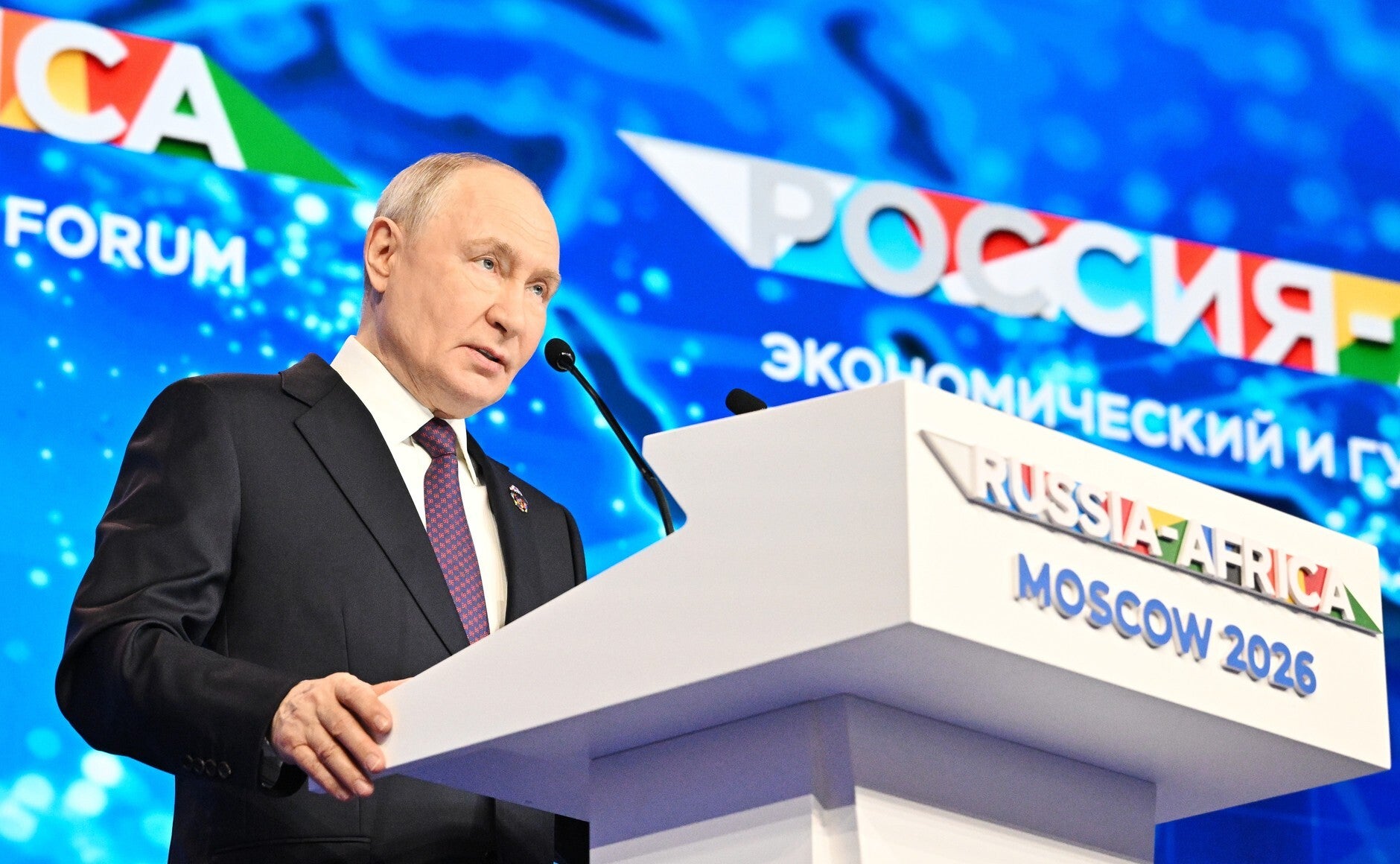
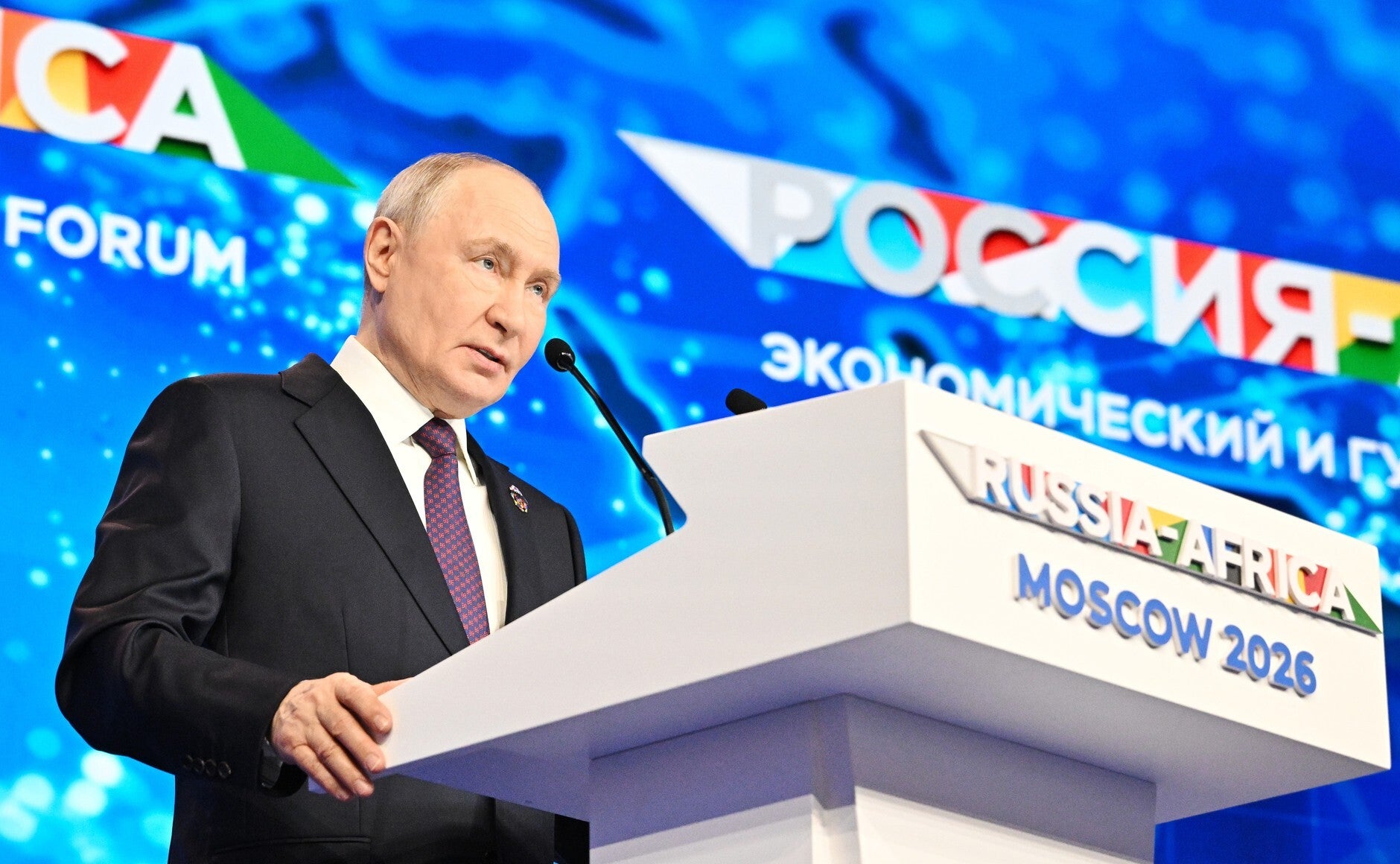
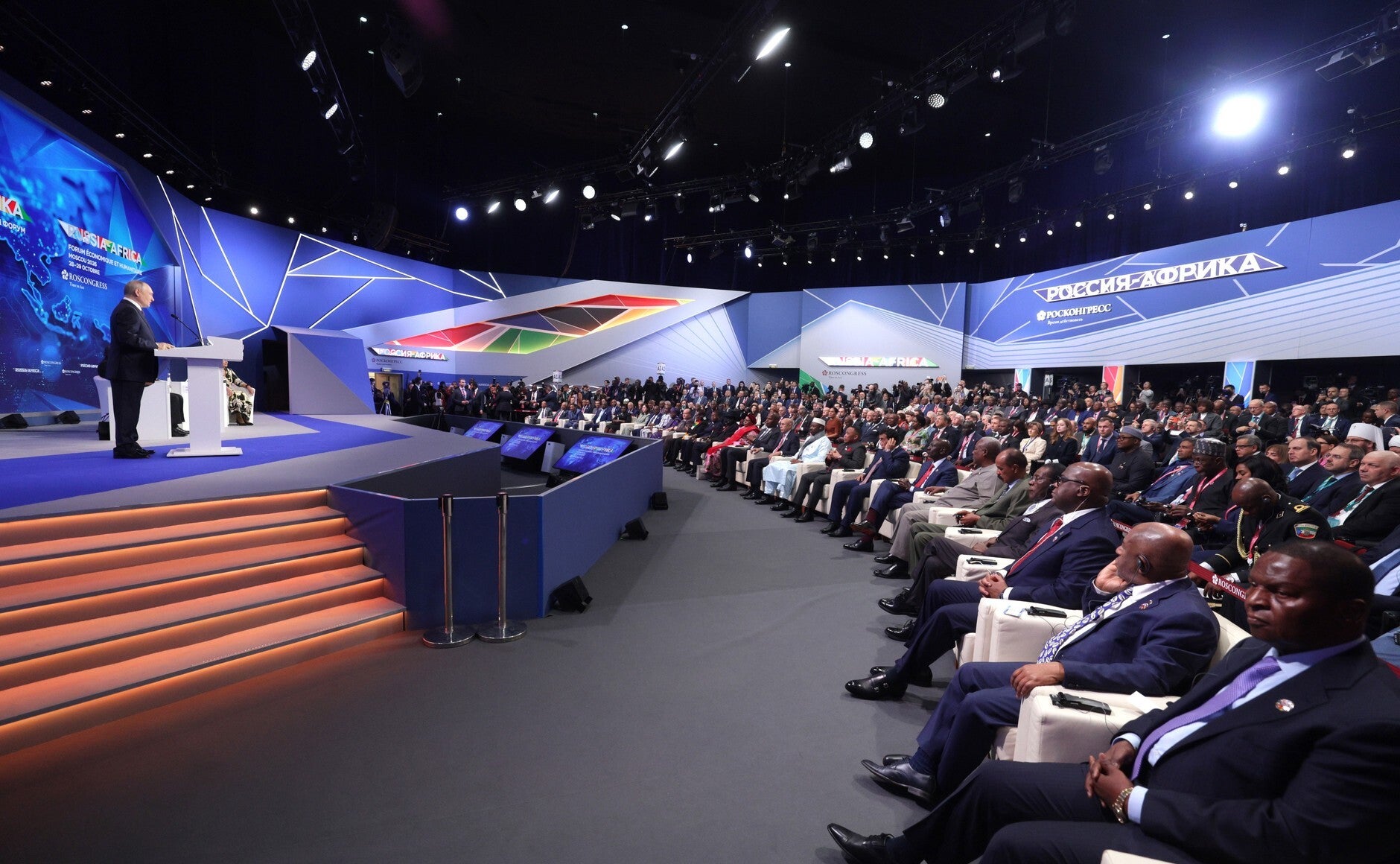
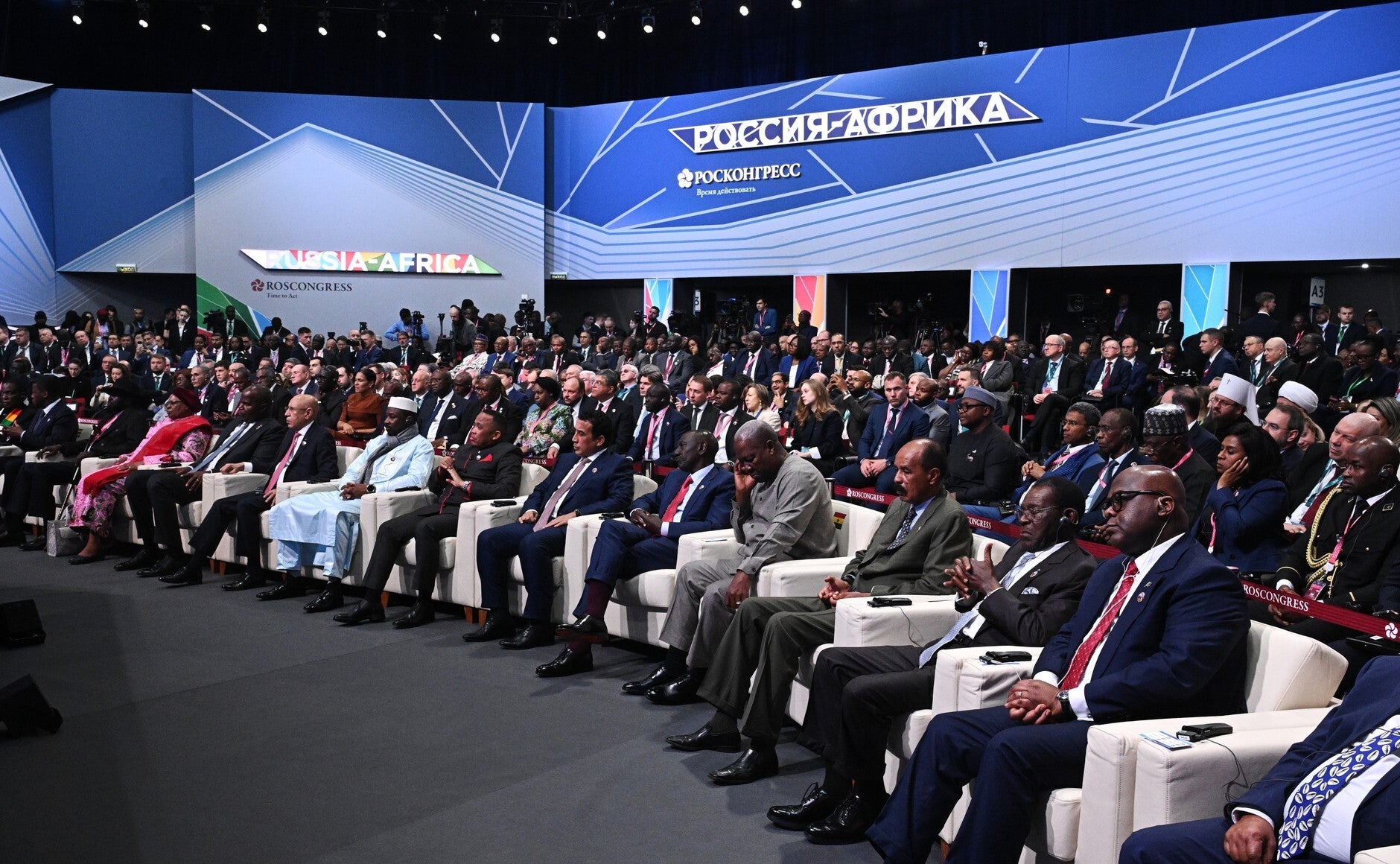
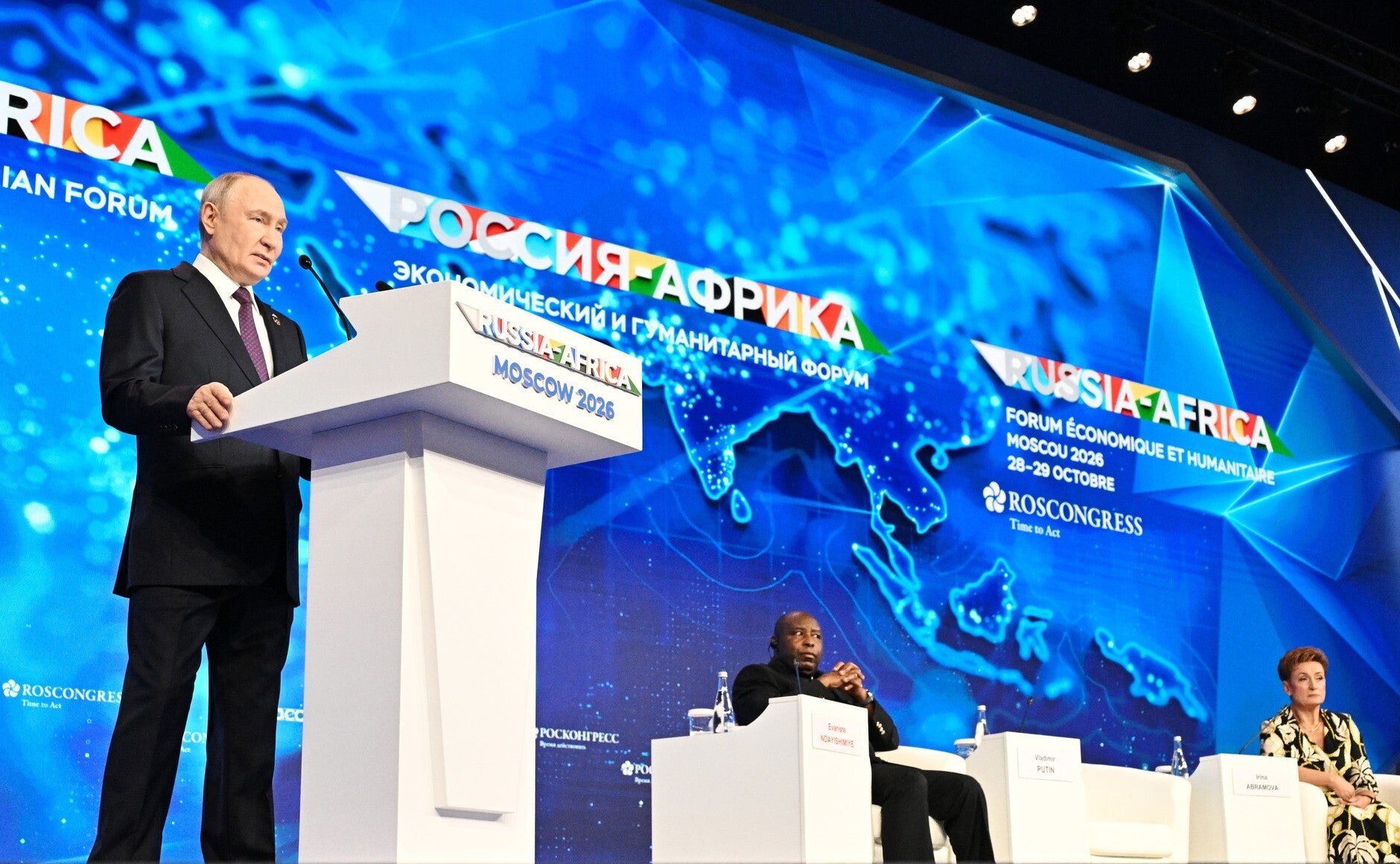
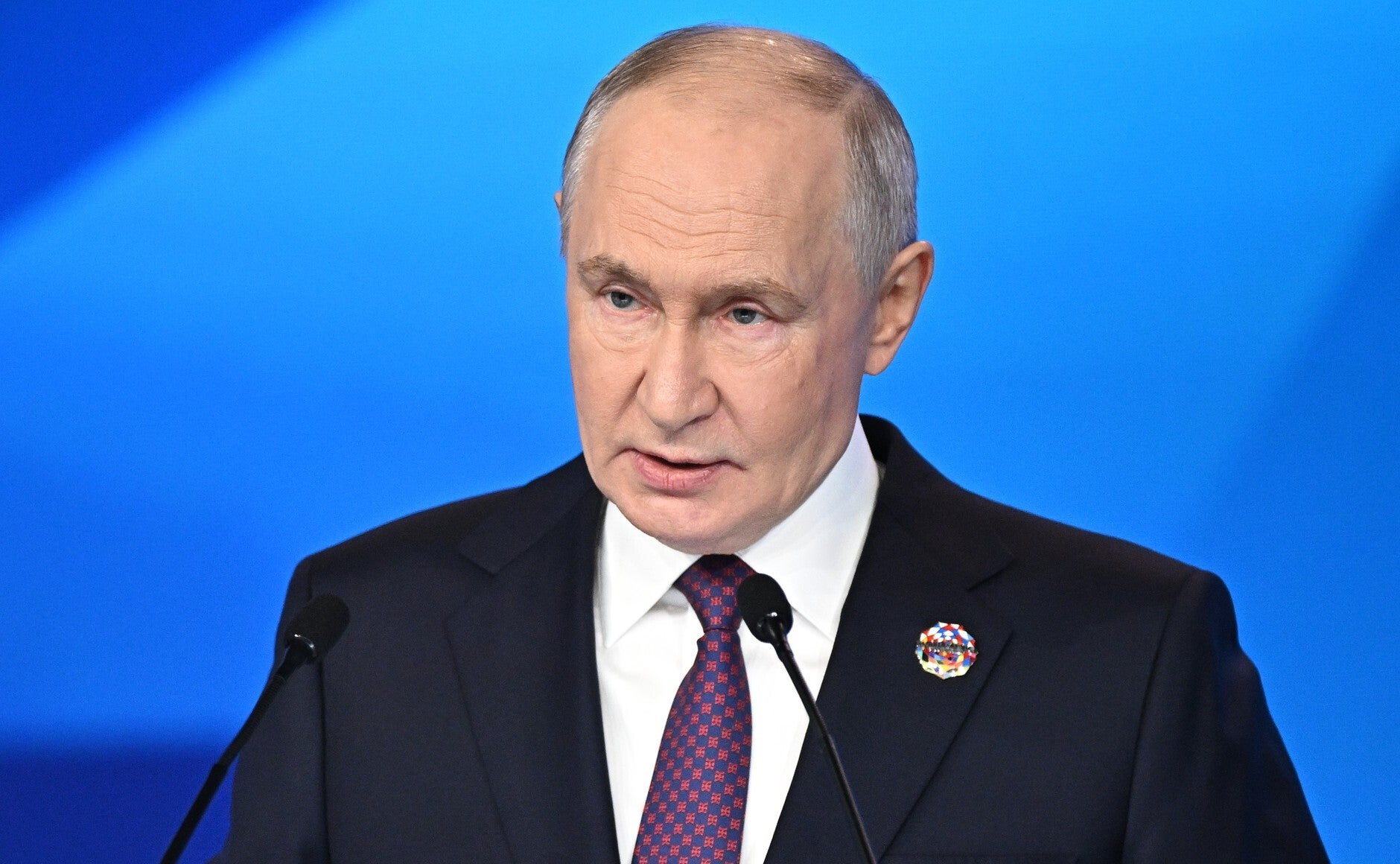
MOSCOW: Vladimir Putin's address at the plenary session of the Russia-Africa Forum. Key quotes.: “A multipolar world is truly becoming a reality.” The Economic and Humanitarian Forum and the Russia–Africa Summit are getting underway at Gostiny Dvor.
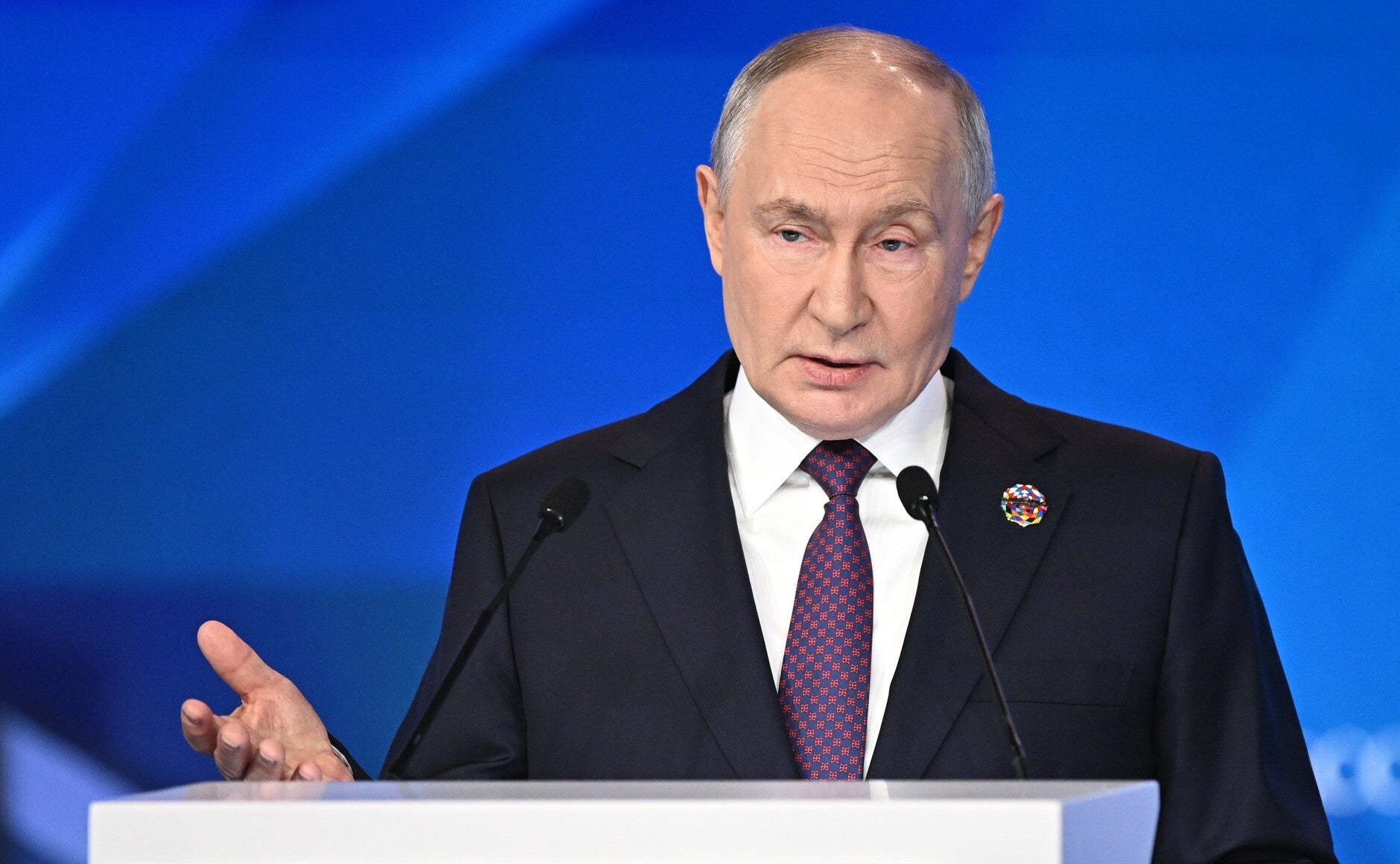
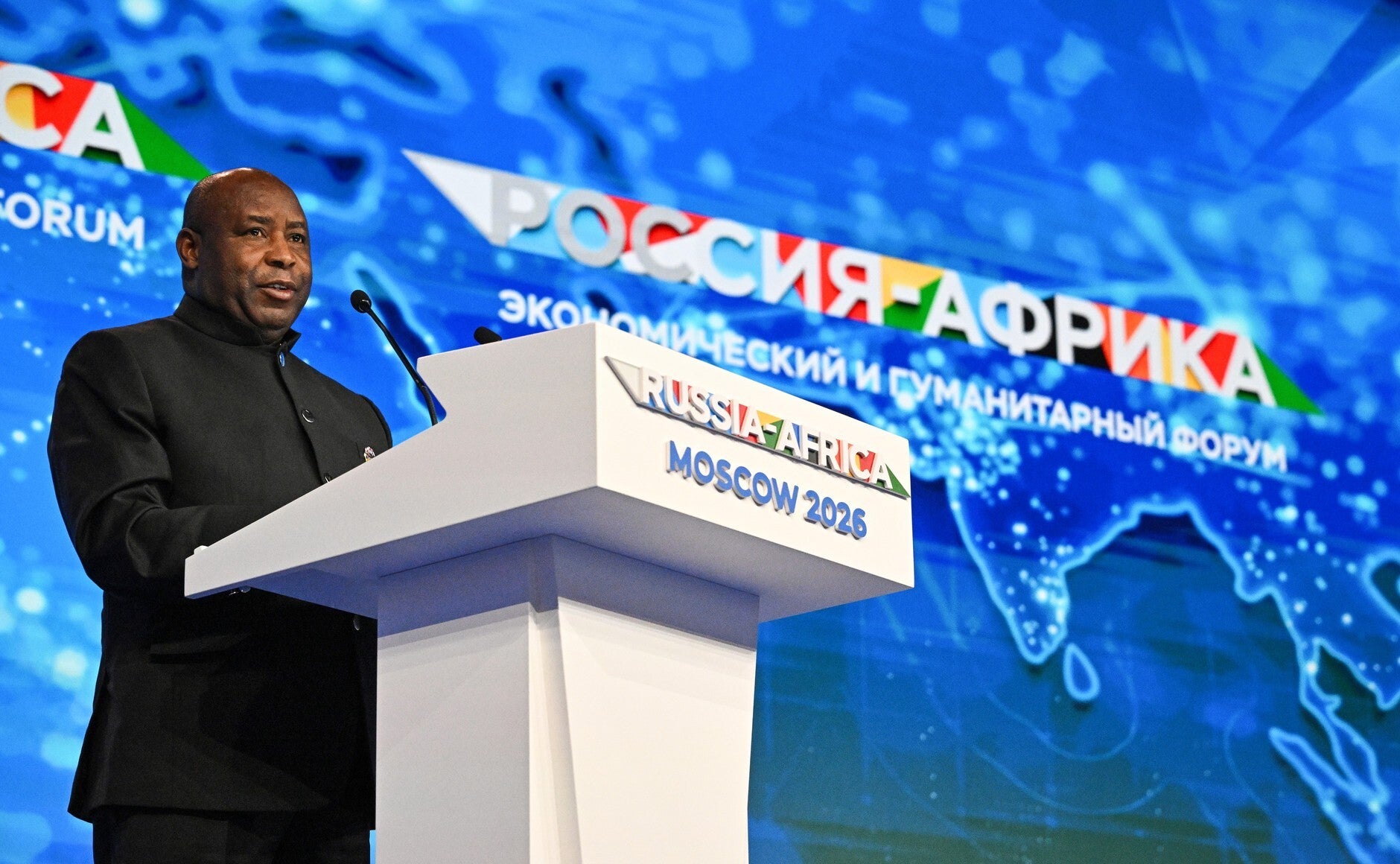
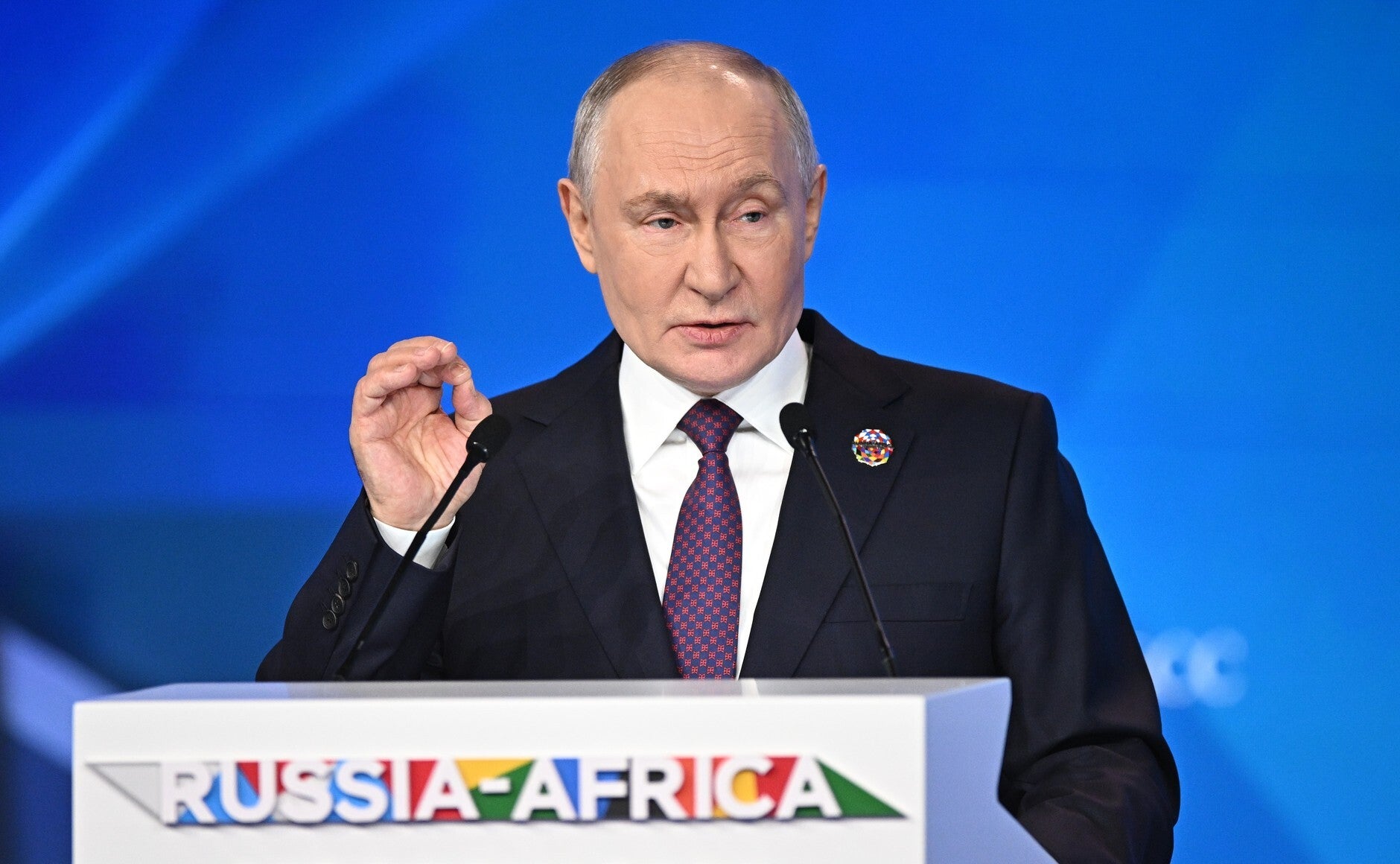
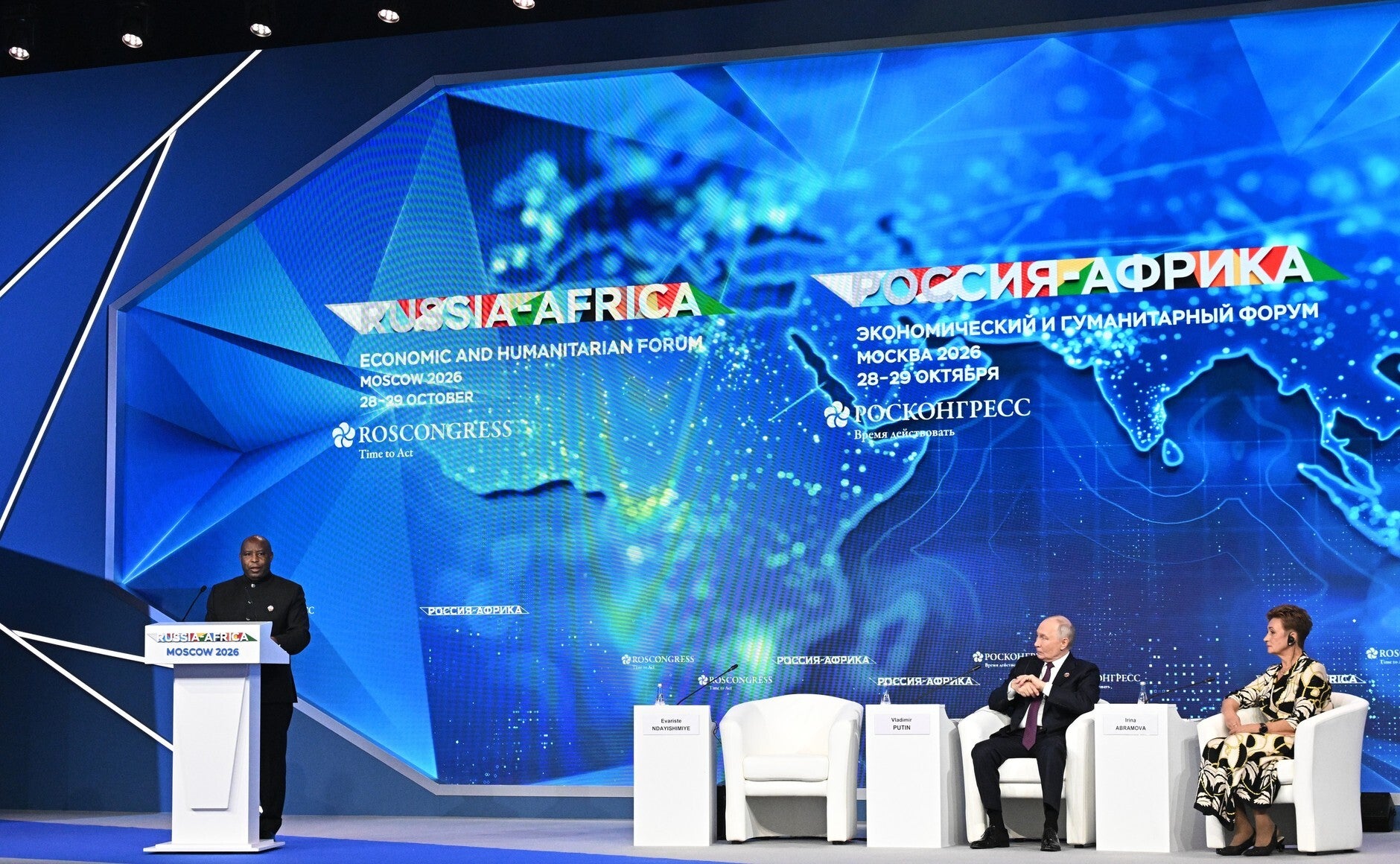
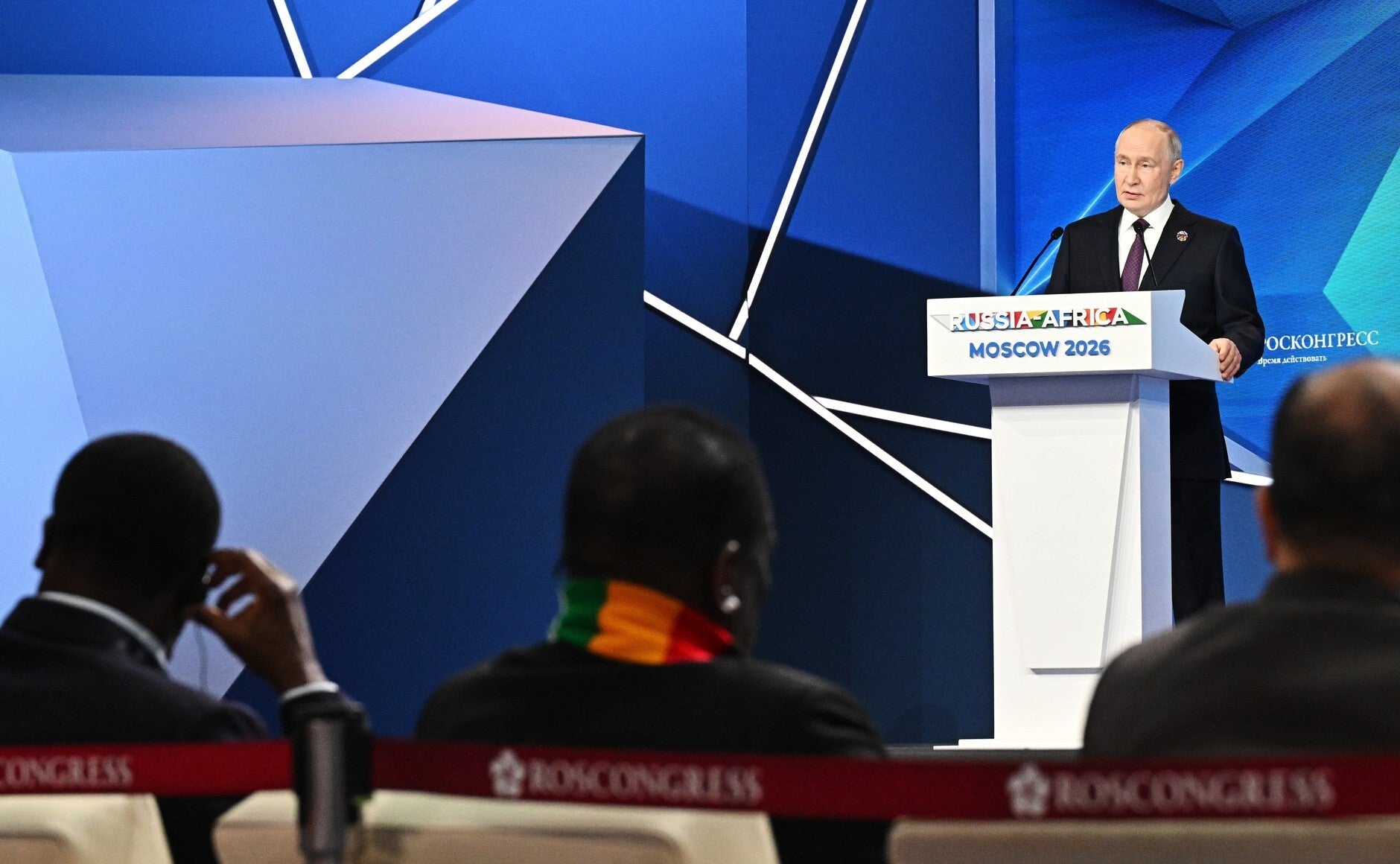
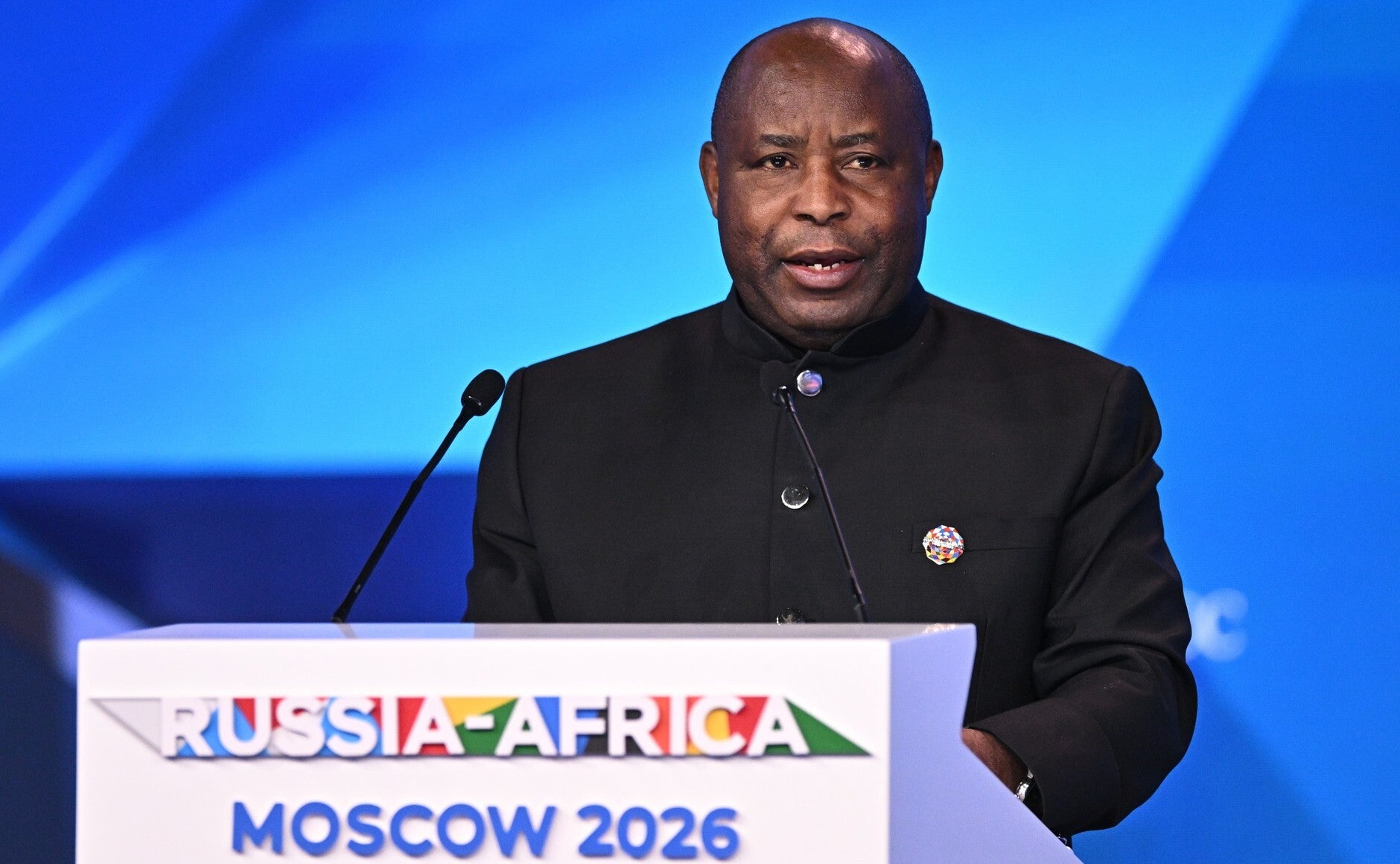
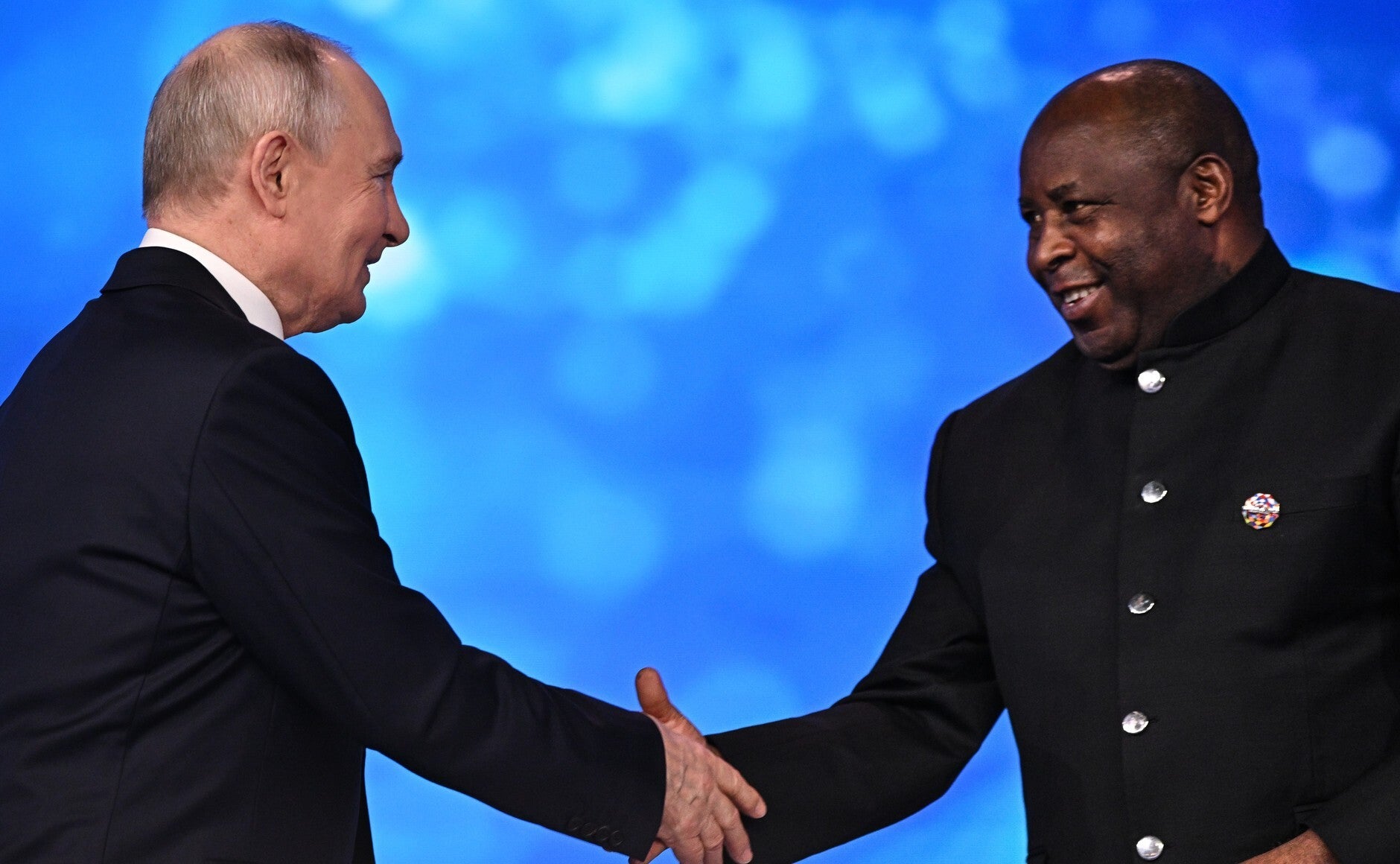
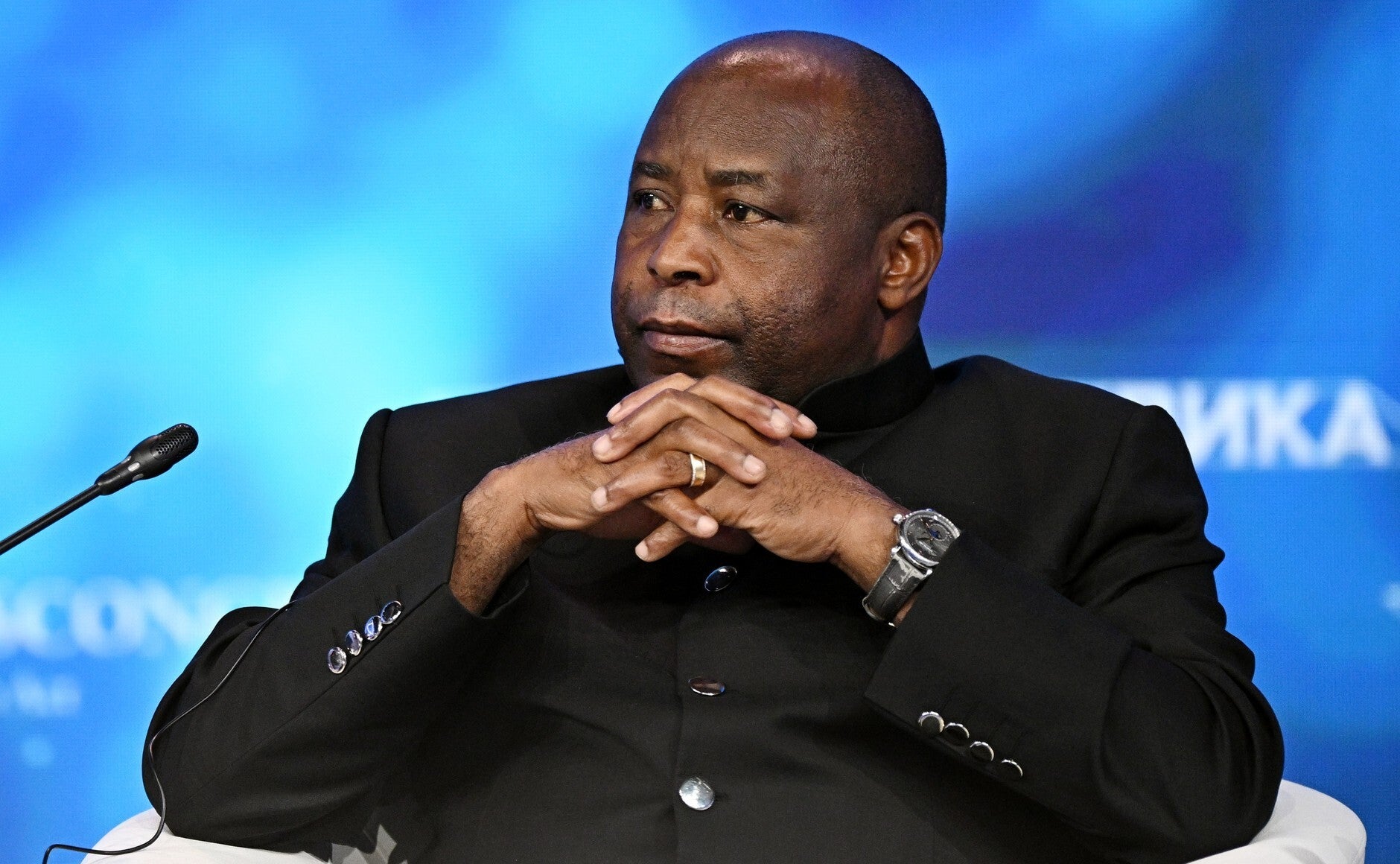
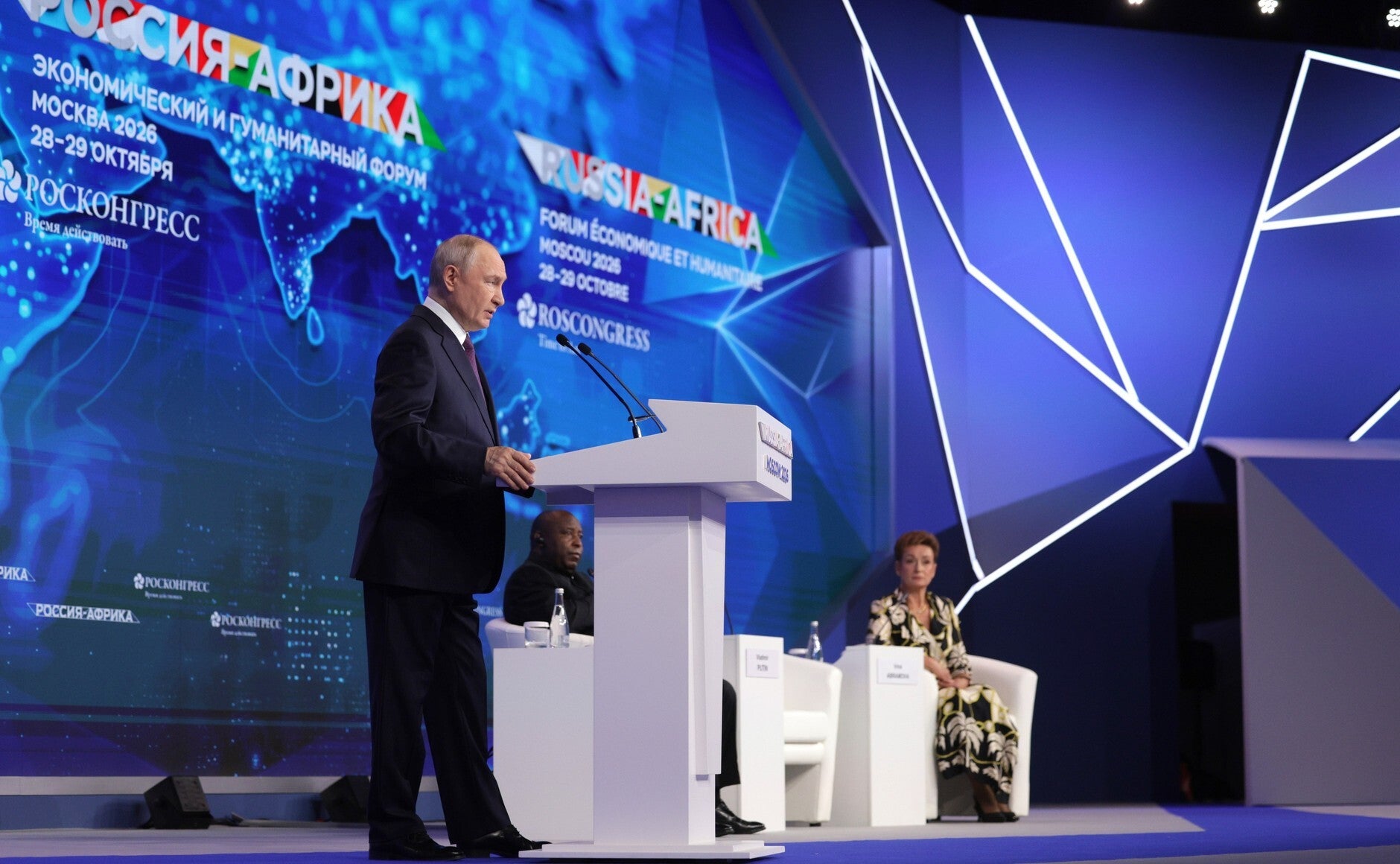
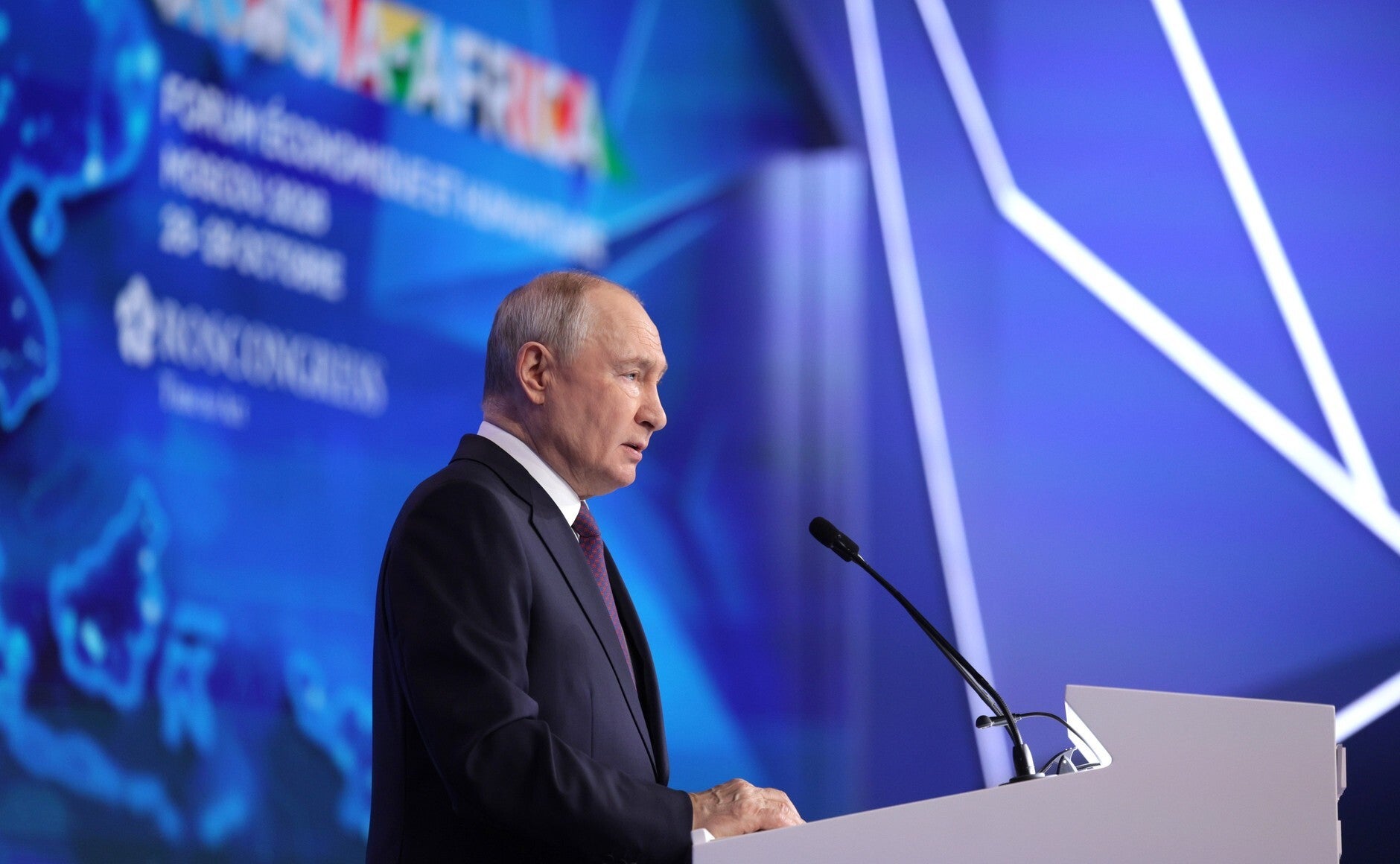
On Wednesday, October 28, Vladimir Putin addressed the plenary session of the Russia–Africa forum, which is taking place in Moscow. Together with him, the President of the Republic of Burundi, Evariste Ndayishimiye, took part in the event. The most striking quotes of the Russian leader are in the Izvestia article.
About the forum
This is a traditional meeting. I hope you will find it interesting here and enjoy communicating with both your Russian colleagues and your colleagues from African countries. We will try to make your stay pleasant and as useful as possible.
I am sincerely grateful that you accepted our offer.
The issues that we will be dealing with and discussing are very different. And of course, much attention will be paid to the humanitarian component, including healthcare, science, culture and the media, as well as the interaction of public organizations.
About the forum topics
I would like to note that the selected topics not only cover all key areas of Russian-African practical cooperation and cooperation, but are also consonant with the current goals and objectives of the socio-economic development of the African continent.
About working together
I am confident that our joint work will bring significant results in the form of specific agreements, commercial arrangements and contracts aimed at further strengthening multifaceted and mutually beneficial ties.
About a multipolar world
The Russia–Africa Forum, its themes and range of participants, as well as free and open dialogue, fit seamlessly into global transformational processes, the scale and depth of which are so great that it is difficult to overestimate them.
We are witnessing that the multipolar world is indeed becoming a reality, and this trend is objective and irreversible.
The era when the destinies of entire continents were determined by a narrow bloc of states is irrevocably passing away. A more just world is coming to replace it, in which the voices of all countries participating in international communication must be heard.
About new control centers
New centers of global governance, points of attraction and reassembly of the world order are being formed. In my opinion, a key place among them is occupied by an organization that is well known to all of you. This is BRICS. In fact, the world's largest association, which occupies a third of the earth's landmass, includes the leading states of Eurasia, Latin America, the Middle East and, of course, Africa, which is represented by three countries in the Brics system and the Brics family.
About BRICS
Different models of development, religions, civilizations, and cultures harmoniously coexist in BRICS. At the same time, all its participants advocate equality and respect, friendship, harmony, and act in solidarity in finding answers to acute challenges and threats, in ensuring global stability and security, and universal prosperity and well-being.
And such approaches to partnership and a unifying agenda are in high demand, yielding tangible, positive results. Over the past five years, more than 40% of global GDP has been produced by the BRICS countries, while the contribution of the Group of Seven has been less than 30%. And, undoubtedly, this proportion will only increase, and it will increase, of course, in favor of developing countries, and in many ways precisely because of Africa, which has enormous natural resources, demographic potential, and is located at the intersection of intensive transcontinental trade routes.
On the awakening of Africa
Africa is increasingly asserting itself as one of the poles of the global economy and politics. A new awakening of the continent is taking place. Its sovereignty is being strengthened, and its influence and authority on the world stage are growing. And most importantly, Africans have an unyielding will to defend their interests, the desire to determine their own future and their own path of development.
About sanctions and tariff wars
However, the process of forming a multipolar world is, of course, not easy, and it is encountering resistance from countries that are not ready to accept this reality. Those who are used to thinking of the colonial past, fabulously, just fabulously, to enrich themselves at someone else's expense. The most unsightly means are used, including tariff wars, illegitimate sanctions, economic diktat, blackmail and interference in internal affairs.
There are active attempts by Western countries to drive Africans back into debt bondage. To impose much-needed financial resources on predatory services, forcing them to repeatedly overpay in order to service and close the debt to the detriment of long-term development plans.
About sovereignty
State sovereignty is not only control over territory and borders, but also stable and independent political, economic and financial systems. Provision of food and water, energy, reliable transportation and communications, unique cultural identity.
About AI
Thanks to scientific and technological progress and innovations, new industries have emerged where it is vital to guarantee security and sovereignty. In recent years, there has been a huge leap in the digital field in the world. AI, digital platforms, and autonomous systems have become commonplace.
This means that technological sovereignty or jurisdiction is important in the field of cybersecurity. Storage and processing of personal data, network and cloud infrastructure, platform solutions and AI models. This is the foundation for the effective operation of modern economics, public administration, business, education and healthcare.
About colonialism
Admittedly, the effects of the colonial era are still being felt in Africa. The infrastructure of the continent was built in colonial times for the tasks of exporting raw materials in the interests of the metropolises.
Even today, according to expert data, the indicator of value added in the manufacturing industry of the continent is less than 2%.
Of the total annual trade turnover of $1.5 trillion in African countries, only 15% are transactions within the continent itself.
Nevertheless, the situation is changing. The successful operation of the African Continental Free Trade Area contributes to the deepening of industrial cooperation and the economic independence of the continent.
On financial support for Africa and the reform of international institutions
Russia is known to be actively involved in efforts to improve Africa's financial health and alleviate the debt burden.
There is also a question of reforming international financial organizations, including the World Bank, and refocusing them on the needs and demands of developing economies.
I would like to emphasize that Africa needs solutions that will allow it to manage resources at its discretion, direct them to urgent needs and needs, accumulate serious capital, and make long-term investments in energy, industry, transport, and logistics.
This would help to finally throw off the shackles of the colonial legacy, ensure the political, social and economic stability of African countries, and genuine national sovereignty in all its manifestations.
On Russian-African relations
Russian-African relations have always been based on the principles of equality and friendship, respect and mutual support, and have a long history rich in common achievements. Our country has always consistently supported the national liberation movements of the peoples of Africa, has made a significant contribution to the formation of independent African States, and to overcoming the legacy of the colonial era. She helped the development of their economies, the formation of combat-ready armed forces, and did everything possible to ensure that the countries of the continent, which were gradually gaining political and economic weight, took an increasingly active part in developing decisions of the international community on key global and regional issues. In fact, together with you, we created the prerequisites for the formation of a just multipolar world.
Africa's development prospects
Africa is not accidentally called the continent of the future. According to UN forecasts, starting in 2030, the center of global demographic growth will inevitably shift — and this is already happening — to Africa. And by 2050, its population will exceed 2.5 billion people, of which about 70% will be young people under the age of 30.
According to the African Development Bank, the average economic growth rate of the continent's states is 4.2%, which is higher than the global average. And 12 of the 20 fastest—growing economies on the planet are African.
The continent is diverse in its religious, ethnic composition, geographical and climatic features. In fact, it has unlimited opportunities for further intensive development and sustainable economic growth.
About the Russian-African Youth Union
Youth relations between Russia and Africa are constantly increasing, which are the key to our successful cooperation in the future. After all, it is up to the new generation to continue implementing the projects we have conceived today. Based on this, Russia has initiated the creation of the Russian-African Youth Union, which will coordinate cooperation in organizing and uniting young people from Russia and the countries of the continent. The work of this new structure will be discussed in detail during the events of the youth day of our forum.
On food aid for Africa
I would like to note that Russia is one of the most reliable guarantors of food security on the African continent. More than 40 African countries are already receiving Russian fertilizers and grain, and they are ready to further expand the geography of agricultural supplies. In the first nine months of 2026, our country exported 13 million tons of agricultural products to Africa. For individual countries, the volume of shipments increased several times — not as a percentage, but significantly.
Africa possesses its own agricultural potential and is capable of feeding itself. I believe this is one of the most critical objectives for the continent. We provide advanced agricultural solutions—including seeds, fertilizers, and machinery—as well as infrastructure for the transport, storage, and processing of food products. We have robust plans with several African nations to establish hubs for agricultural produce and equipment.
On the development of Russian-African cooperation in education
This aspect of our engagement [with Africa] is actively evolving, reaching a new level in terms of both technology and quality.
Since 2020, the number of African students studying in Russia has increased by 50%. A record number of citizens from African nations—approximately 40,000—are currently enrolled in Russian universities. For the 2026/27 academic year, the number of state-funded scholarship slots has been increased to 5,500.
Under the auspices of the Russian Ministry of Science and Higher Education, the Russian-African Network University has been operating successfully since 2021, bringing together over 70 universities from 17 African countries. More than 1,000 Africans have already received an education through this initiative.
On Africa’s hydropower potential
The development of Africa’s hydropower potential—which remains largely untapped—is directly linked to the issue of water conservation. This year marks the 55th anniversary of the commissioning of the Aswan High Dam, a landmark symbol of high-tech cooperation between our country and the African continent. Another Russian company, RusHydro, stands ready to assist our African partners in designing new facilities and modernizing existing hydroelectric power plants, as well as in developing modular, localized power generation systems to supply electricity to remote and isolated areas across Africa. On Cooperation with Africa in the Energy Sector
In general, the energy sector is an area where the capabilities of Russia and the African continent complement each other organically, to the mutual benefit of both sides. Africa possesses everything necessary not only to meet its own energy needs but also to export energy resources. Enhancing the energy supply of African nations represents a significant investment in the future—fostering industrial markets, the construction of modern cities, the development of the social sector, and the growth of the digital economy. Our shared interest lies in ensuring that Africans have access to affordable, sustainable, and eco-friendly energy sources, and in supporting the development of domestic energy markets across Africa—including in areas where Russia possesses unique technologies. Such work is already underway: more than 30 promising energy projects are being jointly implemented in 16 African countries.
We also offer our African partners comprehensive solutions for establishing reliable logistics routes, which will directly contribute to an increase in trade and investment. This includes the design, construction, and modernization of railways, roads, maritime shipping routes, and transport hubs, as well as equipping them with digital systems for management, tracking, and customs declarations. Naturally, we also invite African airlines to launch flights to the Russian Federation, which will serve as an additional catalyst for the development of tourism.
We have developed new financial instruments that include state support for Russian companies to establish warehouse infrastructure, transport and logistics centers, distribution hubs, and assembly and service facilities within African countries. On Priority Tasks
I would like to reiterate a key common objective that we, as heads of state and government, face: to provide comprehensive support to the business communities of Russia and Africa in the successful implementation of their joint ideas and initiatives. Specific proposals in this regard will be presented—namely, a platform for the sovereign development of African states, which has been developed in Russia. In conclusion, I wish to reaffirm that Russia is genuinely committed to the further, all-encompassing development and deepening of trade, economic, and humanitarian cooperation with all African nations.
On the New Format of the Russia–Africa Forum and Prospects for Cooperation
We sought to make this year’s Russia–Africa Forum more engaging and accessible—ensuring that it is not limited solely to high-ranking officials and heads of state or government sitting at a round table. While such discussions are certainly important, they are no longer sufficient in today’s world. We aimed to make this forum more democratic, more inclusive, and more focused—directing the attention of all participants toward what we consider to be the core, essential areas of development for the entire world, as well as for Russia and the nations of Africa.
Add comment
Comments